

The Role of Artificial Intelligence in Modern Business Operations
Artificial intelligence has emerged as one of the most transformative technologies shaping the modern business landscape. Organizations across industries are leveraging AI-powered systems to improve efficiency, automate repetitive processes, enhance decision-making, and create more personalized customer experiences. Unlike traditional software solutions that rely solely on predefined instructions, artificial intelligence systems can analyze large volumes of information, identify patterns, generate insights, and support more informed business decisions. As technological capabilities continue to evolve, AI is becoming an increasingly important component of organizational strategy, enabling businesses to operate with greater speed, accuracy, and agility.
The growing adoption of artificial intelligence is driven by the increasing availability of data, advances in computing power, and the demand for operational efficiency in competitive markets. Businesses are no longer viewing AI as a futuristic concept but as a practical tool that can support day-to-day operations and long-term strategic objectives. From customer service automation and predictive analytics to process optimization and risk assessment, artificial intelligence is creating new opportunities for organizations to improve performance while reducing costs and operational complexity.
The Evolution of Artificial Intelligence in Business
Artificial intelligence has evolved significantly from its early applications in simple rule-based systems to sophisticated platforms capable of machine learning, natural language processing, predictive modeling, and advanced analytics. Modern AI solutions can process vast amounts of structured and unstructured information, enabling organizations to extract valuable insights that would be difficult to identify through traditional methods. This evolution has expanded the role of AI beyond technical departments and into core business functions such as marketing, finance, operations, human resources, and customer experience management.
Organizations that embrace AI-driven technologies gain access to tools that enhance efficiency and improve strategic decision-making. By integrating intelligent systems into business processes, companies can identify opportunities faster, respond to changing market conditions more effectively, and allocate resources with greater precision. As AI technologies become more accessible, their impact on business operations continues to increase across organizations of all sizes.
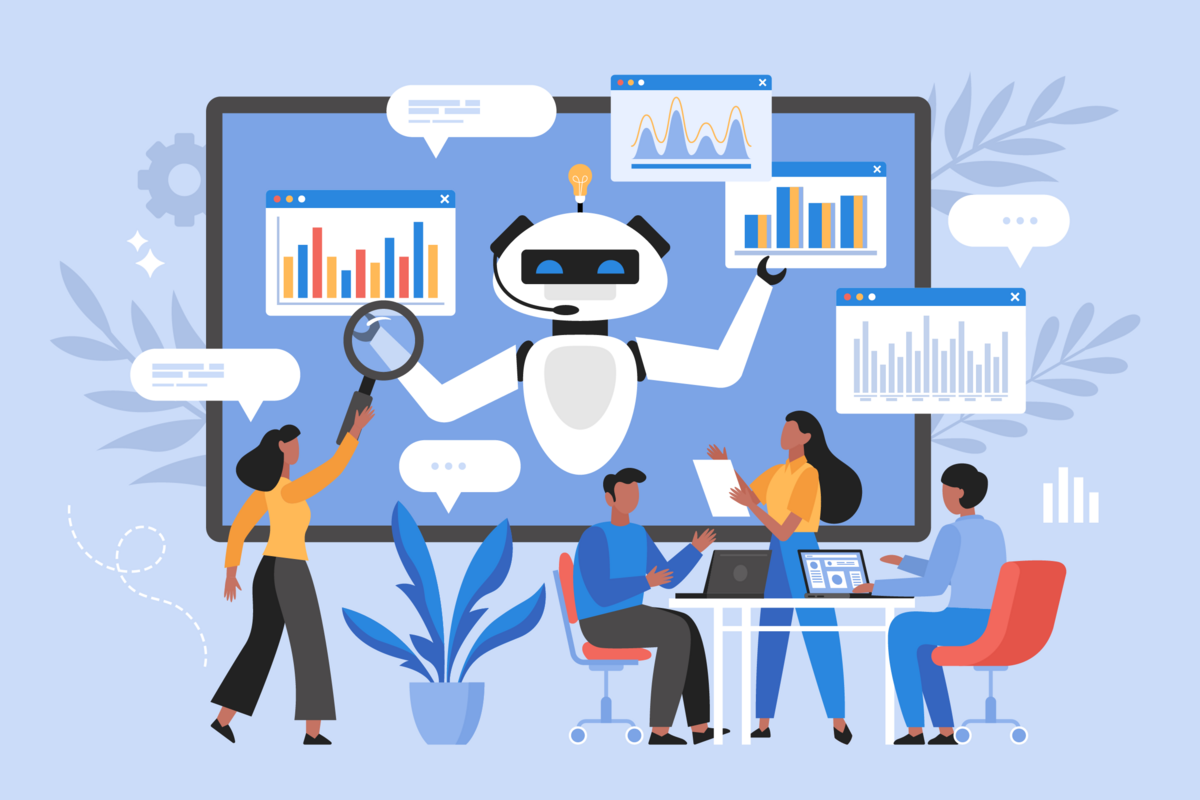
Artificial intelligence enables organizations to transform data into actionable insights, creating opportunities for innovation, efficiency, and sustainable growth.
Automation and Operational Efficiency
One of the most immediate benefits of artificial intelligence is its ability to automate repetitive and time-consuming tasks. Many organizations dedicate significant resources to administrative activities such as data entry, reporting, scheduling, customer inquiries, and document processing. AI-powered automation tools can perform these functions with greater speed and consistency, reducing operational costs while improving productivity. This allows employees to focus on strategic initiatives that require human creativity, problem-solving, and relationship management.
Operational efficiency improvements extend beyond simple task automation. Artificial intelligence can optimize workflows, identify process bottlenecks, and recommend improvements based on performance data. These capabilities help organizations streamline operations, improve service delivery, and increase overall business effectiveness. As operational complexity grows, intelligent automation becomes an increasingly valuable resource for maintaining productivity and scalability.
Data Intelligence and Decision-Making
The ability to make informed decisions is a critical factor in organizational success. Artificial intelligence enhances decision-making by analyzing large volumes of data and identifying patterns that may not be immediately visible through traditional reporting methods. AI-powered analytics platforms provide leaders with real-time insights into business performance, customer behavior, market trends, and operational efficiency. This enables faster and more accurate decision-making across multiple levels of the organization.
Rather than relying solely on historical reports or intuition, organizations can leverage predictive analytics to anticipate future outcomes and evaluate potential scenarios before making strategic decisions. This proactive approach reduces uncertainty and strengthens business planning efforts. Data intelligence supported by AI enables organizations to become more responsive, adaptable, and competitive in rapidly evolving markets.
Customer Experience Enhancement
Customer experience has become one of the most important differentiators in modern business environments, and artificial intelligence is playing a significant role in improving how organizations engage with their customers. AI-powered systems can analyze customer behavior, purchasing patterns, communication preferences, and service interactions to create highly personalized experiences across multiple channels. This enables businesses to deliver relevant recommendations, targeted communications, and proactive support that align with individual customer needs. As consumer expectations continue to increase, organizations must provide fast, accurate, and convenient experiences that strengthen satisfaction and loyalty. Artificial intelligence supports these objectives by helping businesses understand customer requirements more effectively and respond with greater precision.
Technologies such as intelligent chatbots, virtual assistants, recommendation engines, and predictive customer service platforms enable organizations to provide support at scale while maintaining consistent service quality. These tools can handle routine inquiries, resolve common issues, and guide customers through various processes without requiring direct human intervention. By reducing response times and improving accessibility, businesses can enhance customer engagement while optimizing operational resources. The result is a more efficient service model that improves customer retention, strengthens brand perception, and contributes to long-term business growth through enhanced customer relationships.
AI and Workforce Productivity
Artificial intelligence is not designed to replace human expertise but rather to enhance workforce productivity by supporting employees with intelligent tools and actionable insights. Organizations that successfully integrate AI into daily operations often experience improvements in efficiency because employees spend less time on repetitive administrative activities and more time on strategic, creative, and customer-focused responsibilities. AI systems can assist with research, reporting, data analysis, scheduling, and information management, allowing teams to operate more effectively while reducing workload pressures associated with manual processes.
Workforce productivity also improves when employees have access to real-time information and decision-support systems that simplify complex tasks. AI-powered platforms can provide recommendations, identify trends, and automate routine workflows, enabling professionals to make informed decisions more quickly and accurately. This collaboration between human expertise and intelligent technology creates a more agile and efficient work environment. Organizations that invest in employee development alongside AI adoption are often better positioned to maximize value from technological innovation while maintaining a strong focus on human capabilities and organizational culture.
Risk Management and Predictive Analytics
Risk management is a critical component of organizational success, and artificial intelligence is transforming how businesses identify, assess, and mitigate potential threats. Traditional risk management processes often rely on historical analysis and manual evaluation, which can limit the ability to detect emerging issues in real time. AI-powered systems continuously monitor data from multiple sources, identifying patterns and anomalies that may indicate operational, financial, cybersecurity, or market-related risks. This enhanced visibility allows organizations to take proactive measures before risks escalate into significant business disruptions.
Predictive analytics further strengthens risk management capabilities by using historical data and advanced algorithms to forecast future outcomes. Organizations can evaluate potential scenarios, estimate probabilities, and prepare strategic responses based on data-driven insights. This capability supports more informed decision-making while reducing uncertainty across various business functions. By combining predictive intelligence with ongoing monitoring, businesses can strengthen resilience, improve planning accuracy, and maintain greater control over operational and strategic risks in increasingly complex market environments.
Ethical Considerations of AI Adoption
As artificial intelligence becomes more integrated into business operations, organizations must address important ethical considerations related to transparency, accountability, privacy, and fairness. AI systems rely heavily on data, making responsible data management essential for maintaining customer trust and regulatory compliance. Businesses must ensure that information is collected, stored, and utilized in accordance with applicable legal and ethical standards while protecting sensitive customer and organizational data from misuse or unauthorized access.
Ethical AI adoption also requires organizations to evaluate how automated systems influence decision-making processes and business outcomes. Transparency in algorithmic decisions, fairness in data usage, and accountability for system performance are critical factors that contribute to responsible implementation. Organizations that prioritize ethical practices are better positioned to build trust with customers, employees, and stakeholders while reducing potential reputational and operational risks. A balanced approach to innovation and governance ensures that AI delivers sustainable value while supporting organizational integrity and social responsibility.
Building an AI-Ready Organization
Successfully implementing artificial intelligence requires more than technology investment; it requires organizational readiness, strategic planning, and cultural alignment. Businesses must establish clear objectives for AI adoption and identify specific areas where intelligent systems can generate measurable value. This process involves evaluating existing workflows, technology infrastructure, workforce capabilities, and data management practices to ensure that the organization is prepared to support advanced digital initiatives. Without a structured implementation strategy, organizations may struggle to achieve meaningful outcomes from AI investments.
Building an AI-ready organization also involves fostering a culture of continuous learning and innovation. Employees must be equipped with the skills and knowledge necessary to work effectively alongside intelligent technologies while leadership teams provide guidance and strategic direction throughout the transformation process. By integrating AI into broader business objectives and supporting adoption through training, governance, and performance measurement, organizations can maximize the benefits of artificial intelligence while creating a strong foundation for future innovation and growth.
Conclusion
Artificial intelligence is rapidly transforming the way organizations operate, compete, and create value within modern markets. Its ability to automate processes, analyze complex data, improve customer experiences, and support informed decision-making makes it one of the most influential technologies shaping the future of business. Organizations that strategically integrate AI into their operations can enhance efficiency, strengthen competitiveness, and unlock new opportunities for innovation while improving overall business performance.
At AceGlobalStrategy, we view artificial intelligence as a strategic business enabler rather than simply a technological advancement. When implemented thoughtfully and aligned with organizational objectives, AI has the potential to improve operational effectiveness, strengthen decision-making capabilities, and support sustainable growth. Businesses that embrace intelligent technologies while maintaining a focus on people, processes, and long-term strategy will be better positioned to thrive in an increasingly data-driven and digitally connected global economy.
Leave a Reply